



BarCraft Journal — Issue 1 · New Foundations
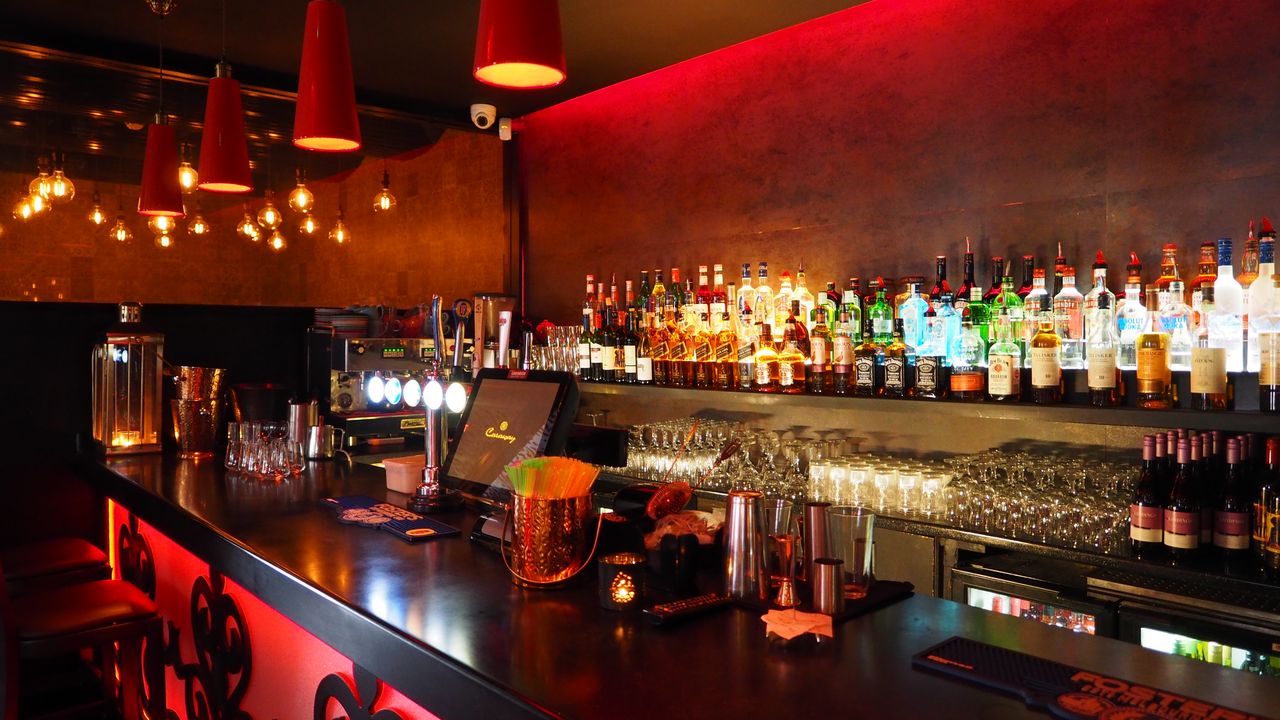
There's a moment every bartender knows. The bar is three-deep. Someone just sent back a drink. The ice machine is making that sound again. Your barback disappeared ten minutes ago and hasn't come back.
In that moment, technique doesn't save you. Your knowledge of obscure amari doesn't save you. What saves you — what separates a good bartender from a great one — is composure.
It's the most underrated skill in hospitality. And almost nobody teaches it.
The myth of natural confidence
Real confidence behind the bar is quiet. It looks like a bartender who moves deliberately when everything around them is chaotic. It looks like someone who can absorb a difficult guest without letting it contaminate the next interaction.
That kind of confidence isn't something you're born with. It's built. And understanding how it's built changes the way you think about what it means to develop as a hospitality professional.
Preparation is the foundation
The research on performance under pressure is consistent across fields — surgery, athletics, military service, emergency response — and the findings apply just as cleanly behind a bar. Composure isn't the absence of stress. It's the result of being so well-prepared that stress doesn't consume your available attention.
Reading the room
Composure isn't just internal. A significant part of it is the ability to accurately read what's happening around you and respond to what's actually there — not what you assumed would be there.
The bartenders who do this well describe it as a kind of curiosity. They're genuinely interested in the people in front of them.
The human side of the bar
Composure, ultimately, isn't just a professional skill. It's what makes real hospitality possible. The bar is one of the last truly democratic social spaces. People come in carrying everything — their celebrations, their grief, their loneliness, their joy.
That's not a small thing. It never was.